






I got an email recently from a reader who’d started writing music.
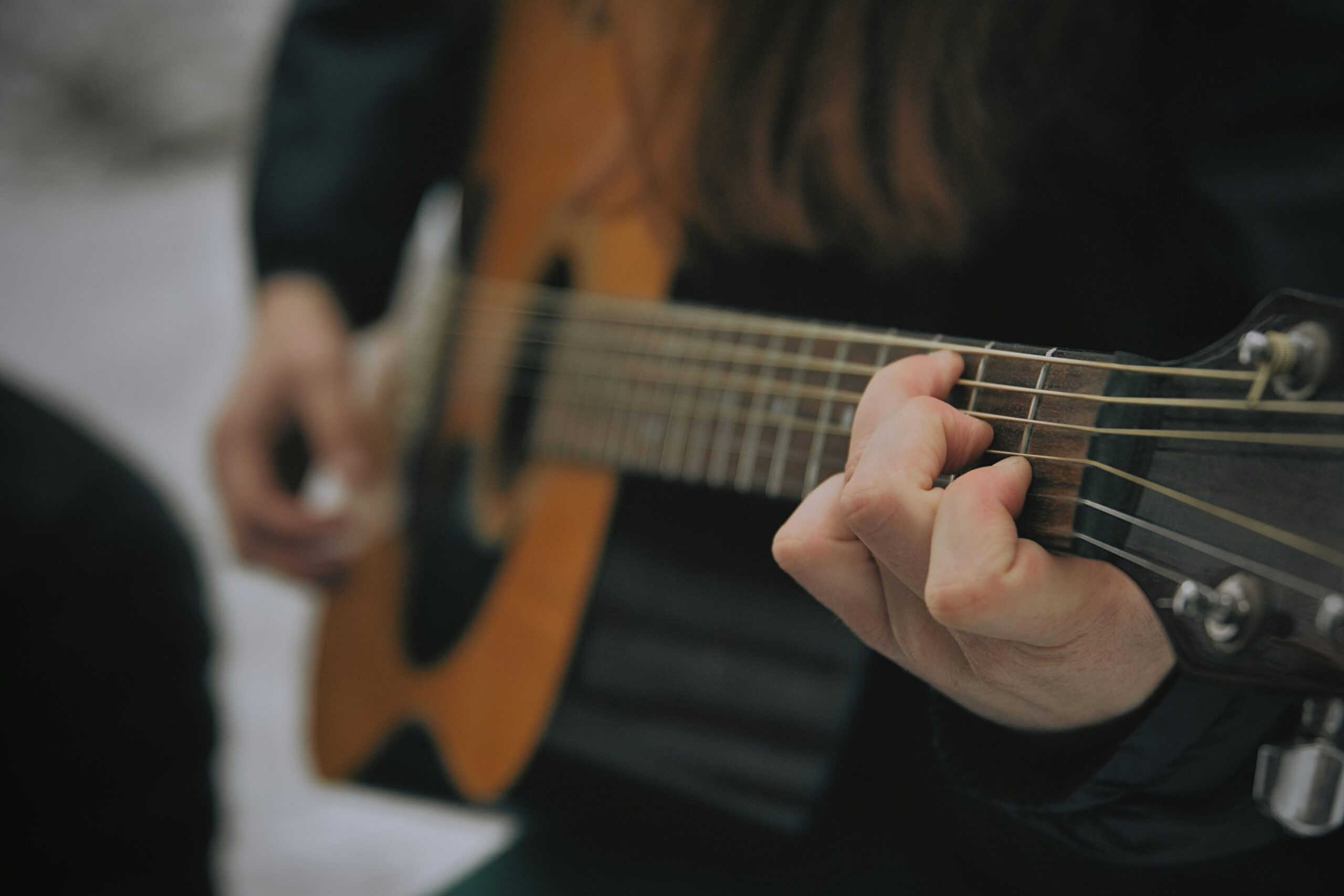
He wasn’t trying to go pro. He wasn’t chasing a record deal. He just picked up an instrument, started creating, and shared what he made with the people around him.
And then he waited.
For the nods. The enthusiasm. The “this is really good.” The validation that tells you that what you made—and by extension, what you are—is worth something.
It didn’t come—at least not the way he’d hoped. So he wrote to me, a little deflated, trying to make sense of the gap between what he’d created and how it had landed.
I recognized the feeling immediately. Because I’ve been there—all creators have.
Here’s what I’ve learned: the moment you outsource your sense of worth to your audience, you’ve handed the steering wheel to someone who isn’t even in the car.
Your friends don’t have to love your music. Your readers don’t have to validate your writing. They didn’t ask you to create it. You chose to. And that choice—and everything it means about you—is yours alone to carry.
This isn’t harsh. It’s actually the most liberating thing I know.
Because people can smell the difference—unconsciously, instantly—between work that comes from please approve of me and work that comes from I already approve myself.
The second kind carries something the first kind never can. A quiet authority. An inner power that doesn’t announce itself but lands in the body of the reader, the listener, the viewer before they’ve even processed why.
When you write, or play, or create from that place—from the posture of someone who has already validated themselves—people feel it. And they lean in.
But here’s the harder question, the one my reader was really asking: How do I keep going when it’s just crickets?
I’ll tell you what keeps me going. It’s not discipline. It’s not a content calendar either.
It’s remembering what the real masterpiece actually is.
When I look back at what I’m most proud of in my writing life, it’s not the posts that landed well or the books that became bestsellers.
It’s something quieter than that.
It’s the version of me who sat in front of a screen with no audience, no algorithm, no signal that any of it mattered—and kept typing anyway. Word after word, in the dark, because something inside him believed that the words themselves were worth putting down. At least for himself.
That version of me is the masterpiece. Not the work he produced.
The song you wrote when no one was listening. The chapter you finished when you had no proof anyone would ever read it. The courage to walk into uncertainty and create something with zero applause, zero maps, zero guarantee—that’s the part that gets overlooked every time.
The product is what the world eventually sees. But the person who made it, in private, before the outcome was known? That’s who you actually became.
Because the response will always be unpredictable. Sometimes it arrives late. Sometimes it arrives from strangers, years later, in ways you never expected. And sometimes it doesn’t arrive at all.
What you can control is whether you showed up.
Not for the applause.
But for who you’re becoming in the dark.
Related



Bold

